
Empowering Businesses with Smart Digital Solutions WorldwideEmpowering Businesses with Smart Digital Solutions WorldwideEmpowering Businesses with Smart Digital Solutions WorldwideEmpowering Businesses with Smart Digital Solutions Worldwide

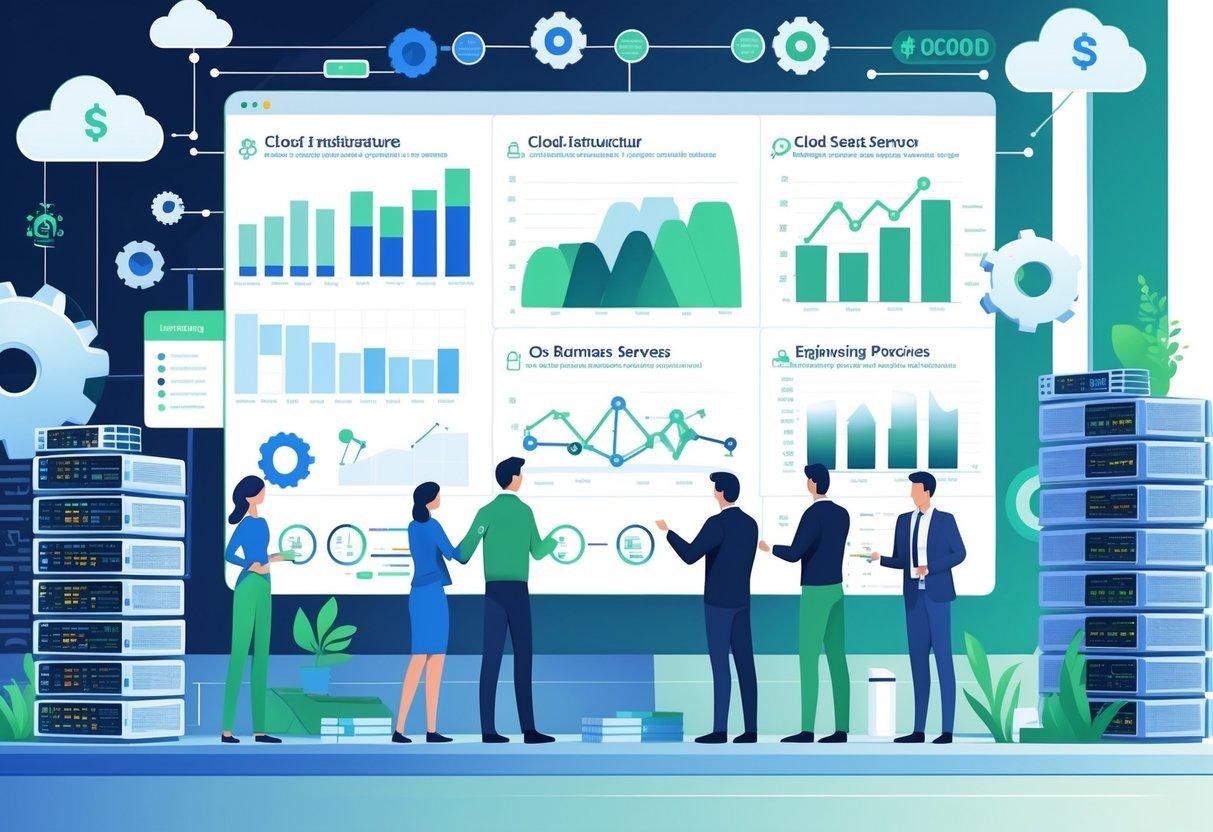
Cloud computing has become an important part of modern business operations. Organizations use cloud platforms to host applications, manage databases, store information, and support digital services. While cloud infrastructure provides flexibility and scalability, managing its expenses can become challenging as businesses expand their technology requirements.
Unnecessary server resources, unused storage, inefficient application configurations, and unexpected workload changes can increase monthly cloud bills. Without proper cost management, businesses may end up paying for resources that provide little or no operational value.
Cloud cost optimization helps organizations improve infrastructure efficiency, control technology spending, and make better use of available cloud resources. With the right planning and monitoring strategies, businesses can maintain reliable performance while reducing unnecessary expenses.
The first step toward reducing cloud expenses is understanding where the money is being spent.
Businesses should regularly review cloud billing reports and identify the services responsible for the highest costs. Computing instances, databases, storage systems, network transfers, and backup services can all contribute to monthly infrastructure expenses.
Detailed cost analysis helps organizations identify unusual spending patterns and discover resources that may not be required.
Cloud cost dashboards and billing reports from providers such as AWS, Microsoft Azure, and Google Cloud can provide useful insights into resource consumption.
Selecting the correct server configuration is essential for controlling infrastructure expenses.
Some businesses operate applications on oversized servers even when their workloads require fewer computing resources. This creates unnecessary spending on CPU, memory, and other infrastructure components.
Server right-sizing involves evaluating actual resource utilization and selecting configurations that match application requirements.
Organizations should monitor CPU usage, memory consumption, storage requirements, and application workloads before changing server configurations.
The goal is to maintain sufficient computing capacity without paying for unnecessary resources.
Unused cloud resources can silently increase infrastructure costs over time.
Development environments, temporary testing servers, outdated storage volumes, unused snapshots, and inactive database instances may continue generating charges even when they are no longer needed.
Regular infrastructure audits help identify these resources.
Businesses should establish a process for reviewing unused services and safely removing unnecessary resources after confirming that they are not required for business operations.
Automated cleanup policies can also help reduce resource waste and improve infrastructure management.
Application workloads often change throughout the day, week, or month.
Running maximum server capacity continuously may increase expenses during periods of low demand. Auto-scaling helps organizations adjust computing resources according to actual application requirements.
When workloads increase, additional resources can be provisioned to maintain application performance. During quieter periods, unnecessary capacity can be reduced.
This approach supports efficient resource utilization while allowing businesses to respond to changing traffic patterns.
Proper scaling configurations should include suitable performance limits and monitoring controls to avoid unexpected resource consumption.
Cloud storage expenses can grow significantly as businesses accumulate application data, backups, logs, and media files.
Not all stored information requires the same level of accessibility.
Organizations can organize data according to usage frequency and business importance. Frequently accessed information can remain in standard storage, while older or less frequently accessed data can be moved to more economical storage tiers.
Businesses should also review backup retention policies and remove unnecessary duplicate files when appropriate.
A structured storage management strategy helps reduce expenses while maintaining access to important business information.
Cloud cost optimization should be an ongoing process rather than a one-time activity.
Continuous monitoring allows technical teams to identify unusual spending, resource inefficiencies, and unexpected workload changes.
Businesses can configure billing alerts and spending limits to receive notifications when cloud expenses approach predefined budgets.
Cost monitoring dashboards also help teams compare infrastructure usage across different applications and departments.
Regular reporting creates better visibility and supports informed infrastructure decisions.
Manual infrastructure management can lead to inconsistent configurations and unnecessary resource consumption.
DevOps automation helps organizations manage infrastructure more efficiently through automated deployments, resource provisioning, configuration management, and scheduled operations.
Infrastructure as Code tools such as Terraform allow teams to define and manage infrastructure configurations consistently.
Automation can also support scheduled shutdowns for non-production environments that are not required outside working hours.
These practices reduce repetitive operational tasks and help maintain better control over cloud resources.
As businesses grow, their original cloud architecture may no longer be suitable for their changing requirements.
Applications may need different computing configurations, improved database structures, optimized networking, or more efficient deployment strategies.
Regular architecture reviews help identify performance limitations and unnecessary infrastructure complexity.
Organizations should evaluate application requirements, workload patterns, security needs, and long-term business objectives before making infrastructure changes.
A well-designed cloud environment supports both operational efficiency and sustainable technology growth.
Managing cloud expenses effectively requires a combination of planning, monitoring, automation, and continuous optimization.
By selecting appropriate server resources, removing unused infrastructure, optimizing storage, implementing automated scaling, and monitoring spending, businesses can reduce unnecessary cloud costs without sacrificing reliability.
Cloud cost optimization is not simply about choosing cheaper services. It is about creating an efficient infrastructure environment where every resource delivers meaningful business value.
Mitsafe helps businesses improve their cloud infrastructure through cloud management, DevOps automation, infrastructure optimization, and scalable technology solutions designed to support long-term business growth.
Mitsafe Engineering Team — Architecting scalable cloud systems and AI automation workflows.
Have an idea or software requirements? Get expert technical guidance & cost estimate in 24 hours.