

Introduction
Future of Mobile Application Development in 2026
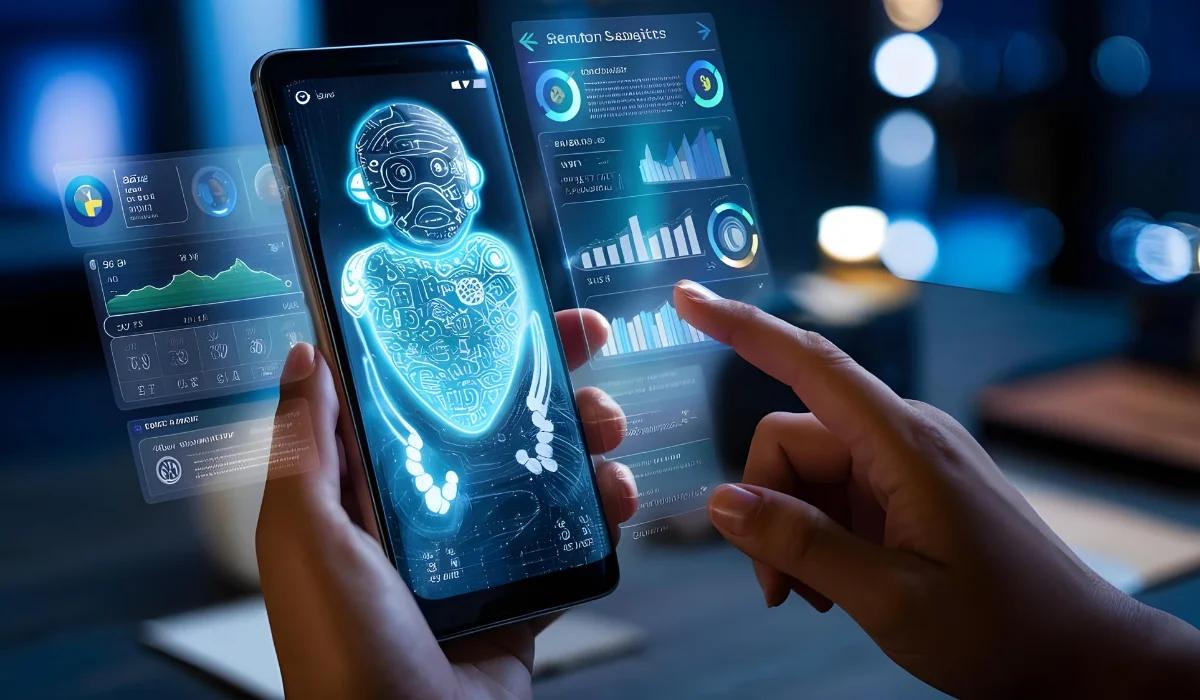
Mobile application development is evolving rapidly as businesses and consumers continue to adopt smarter digital solutions. From artificial intelligence and cloud computing to cross-platform development and advanced security, new technologies are changing the way mobile applications are designed, developed, and experienced.
As smartphones become an even more important part of everyday life, businesses are focusing on creating applications that are faster, more secure, personalized, and easier to use. In this article, we explore the major trends shaping the future of mobile application development in 2026.
Why Mobile Application Development Is Important for Businesses
Mobile applications have become an essential part of modern business strategies. They allow businesses to connect directly with customers, provide convenient services, improve communication, and build stronger digital experiences.
A well-designed mobile application can help businesses increase customer engagement, simplify internal processes, and provide services that are available anytime and anywhere. As competition continues to increase, businesses are investing in mobile applications to create better experiences and stay connected with their target audience.
AI-Powered Mobile Applications
Artificial intelligence is becoming one of the most important technologies in mobile application development. In 2026, AI is expected to play a bigger role in creating intelligent and personalized mobile experiences.
AI-powered applications can analyze user behavior, provide personalized recommendations, automate repetitive tasks, and offer intelligent customer support. AI chatbots, voice assistants, predictive analytics, and smart search features are becoming increasingly common in modern applications.
For businesses, integrating AI into mobile applications can improve customer service while also helping applications understand what users need and deliver more relevant experiences.
Cross-Platform Mobile App Development
Cross-platform development is another major trend shaping mobile application development. Instead of creating completely separate applications for different platforms, developers can use modern cross-platform technologies to build applications that work across multiple devices.
This approach can reduce development time, simplify maintenance, and help businesses launch their applications faster. It also allows companies to provide a more consistent experience across different operating systems and screen sizes.
As development frameworks continue to improve, cross-platform application development is becoming an increasingly practical option for startups as well as established businesses.
Better Mobile Application Security
Security will remain a major priority for mobile application developers in 2026. Mobile applications handle sensitive information such as personal details, payment information, business data, and account credentials.
Developers are therefore focusing on secure authentication, data encryption, secure APIs, privacy protection, and regular security testing. Strong security practices help protect users from potential threats while also building trust in the application.
Businesses that prioritize security from the beginning of the development process can create more reliable applications and reduce the risks associated with data breaches and cyber threats.
Cloud-Based Mobile Applications
Cloud technology is playing an increasingly important role in modern mobile application development. Cloud-based infrastructure allows applications to store and process data efficiently while supporting users across different devices and locations.
Cloud technologies can also help businesses scale their applications as their user base grows. Developers can use cloud services to improve performance, manage resources, and create more flexible application architectures.
With the continued growth of cloud computing, mobile applications are expected to become more connected, scalable, and efficient.
[IMAGE YAHAN ADD KARO]
Personalized User Experiences
Users expect mobile applications to provide experiences that are relevant to their individual needs. Personalization can include customized recommendations, content, notifications, and features based on user preferences and behavior.
Artificial intelligence and data analytics are making it easier for businesses to understand their users and provide more personalized experiences.
A thoughtful personalization strategy can improve user engagement and encourage customers to spend more time interacting with an application.
Better User Interface and User Experience
User interface and user experience will continue to be important factors in the success of mobile applications. Users expect applications to load quickly, be easy to navigate, and provide smooth interactions.
Modern mobile applications are focusing on clean designs, simple navigation, responsive layouts, accessibility, and intuitive interactions. Developers are also paying greater attention to how applications perform across different devices and screen sizes.
A strong combination of design, usability, and performance can make an application easier and more enjoyable to use.
[VIDEO YAHAN ADD KARO]
Future Trends in Mobile Application Development
The future of mobile application development will continue to evolve as new technologies become more accessible. Artificial intelligence, cloud computing, cross-platform development, advanced security, personalization, and improved user experiences will remain important areas of development.
Businesses that adopt these technologies strategically can build applications that are more efficient, scalable, secure, and useful for their customers.
The focus is moving beyond simply creating an application. Businesses are now looking at how technology can solve real problems, improve customer experiences, and create long-term digital value.
Conclusion
Mobile application development in 2026 is moving toward smarter, faster, more secure, and highly personalized digital experiences.
Artificial intelligence is making applications more intelligent, cloud technologies are improving scalability, cross-platform development is simplifying the development process, and stronger security practices are helping protect users and their data.
For businesses, keeping up with these trends can provide an opportunity to improve customer engagement, streamline operations, and build stronger digital experiences.
The future of mobile applications is not just about new technology. It is about using technology in meaningful ways to create applications that are useful, secure, accessible, and designed around the needs of the user.Start writing your groundbreaking article content here...